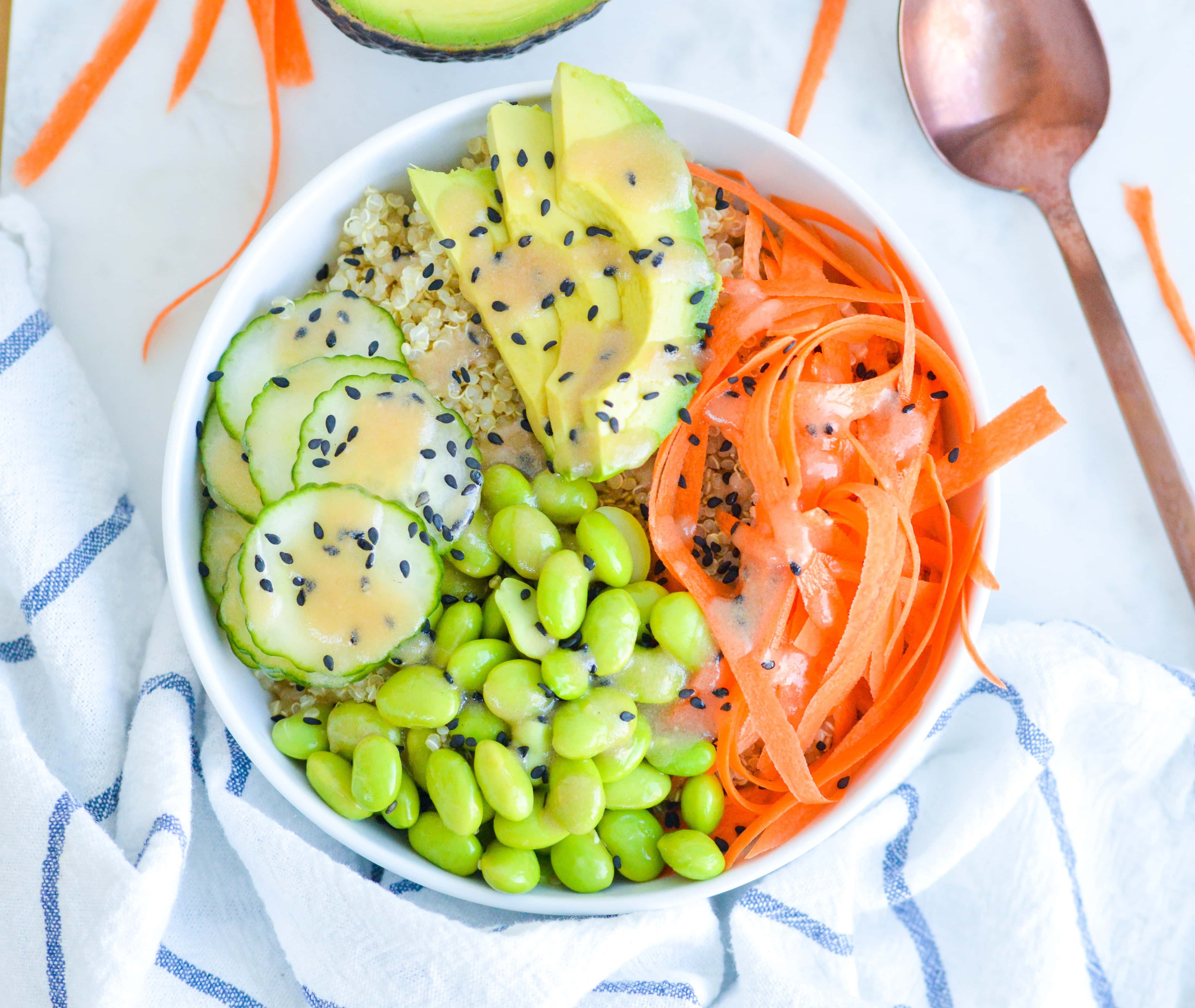
Fueling Your Fitness: Optimizing Vegetarian Post-Workout Meals for Peak Recovery
For vegetarian athletes and fitness enthusiasts, the journey to peak performance doesn't end when the workout does. In fact, what you eat *after* your session is just as crucial as the effort you put in. Crafting effective vegetarian post workout meals is key to accelerating recovery, supporting muscle repair and growth, and ensuring you're ready to tackle your next challenge. Forget the notion that plant-based diets can't provide ample recovery fuel; with strategic planning and an understanding of key nutrients, vegetarian options offer a powerhouse of sustenance, flavor, and health benefits. This article will delve into the science behind post-workout nutrition for vegetarians, offering practical advice and delicious meal ideas to help you optimize your recovery and achieve your fitness goals.The Critical Window: Why Post-Workout Nutrition Matters for Vegetarians
The period immediately following physical activity is often referred to as the "golden window" for nutrient intake. Within approximately 30-60 minutes post-workout, your body is primed to absorb nutrients, making it an opportune time to kickstart the recovery process. For vegetarian athletes, this timing is particularly important to maximize the benefits of your plant-powered diet. During exercise, your body utilizes its energy stores, primarily glycogen, and muscle fibers experience micro-tears. A well-planned vegetarian post workout meal addresses these physiological changes by:- Replenishing Glycogen Stores: Carbohydrates are your body's primary fuel source. After a strenuous workout, your muscle glycogen reserves are depleted. Consuming carbohydrates helps refill these tanks, providing the energy needed for your next workout and preventing fatigue.
- Aiding Muscle Repair and Growth: Protein provides the amino acids necessary to repair damaged muscle tissue and synthesize new muscle protein. This is vital for muscle growth (hypertrophy) and strength development.
- Reducing Muscle Soreness: Proper nutrition can help minimize delayed onset muscle soreness (DOMS), allowing for quicker return to training.
- Boosting Overall Recovery: Beyond macronutrients, a balanced meal delivers vitamins, minerals, and antioxidants that support immune function and overall well-being.
The Dynamic Duo: Carbohydrates and Protein in Vegetarian Recovery
To effectively achieve the recovery goals listed above, your vegetarian post workout meals should strategically combine carbohydrates and protein.- Carbohydrates for Energy Replenishment:
After a workout, the goal is to quickly replenish glycogen. Recommendations generally suggest around 0.5 grams of carbohydrates per pound of body weight. For a 150-pound individual, this translates to about 75 grams of carbohydrates. While complex carbohydrates are excellent for sustained energy throughout the day, post-workout can also benefit from some quicker-digesting carbs to jumpstart glycogen synthesis.
Excellent vegetarian carbohydrate sources include:
- Whole Grains: Quinoa, brown rice, oats, whole-wheat bread/pasta
- Starchy Vegetables: Sweet potatoes, regular potatoes, corn, peas
- Fruits: Bananas, berries, apples, mangoes
- Legumes: Lentils, chickpeas, black beans (also offer protein)
- Protein for Muscle Repair and Growth:
Protein is the building block of muscle, and consuming enough after exercise is crucial for muscle protein synthesis (MPS). Aim for approximately 20-30 grams of high-quality protein in your post-workout meal. Vegetarians have a wealth of plant-based protein sources to choose from, many of which also offer fiber and other micronutrients.
Top vegetarian protein sources include:
- Soy Products: Tofu, tempeh, edamame, soy milk
- Legumes: Lentils, chickpeas, black beans, kidney beans
- Grains: Quinoa (a complete protein), seitan (wheat gluten)
- Nuts & Seeds: Almonds, walnuts, chia seeds, flax seeds, hemp seeds, pumpkin seeds (in moderation due to fat content)
- Plant-Based Protein Powders: Pea, rice, hemp protein (can be a convenient way to hit targets)
- Dairy Alternatives: Fortified plant-based yogurts and milks
Combining various plant protein sources throughout the day (and even in a single meal) helps ensure you get a full spectrum of essential amino acids, particularly if focusing on individual sources that might be lower in one or two specific amino acids.
Beyond Fuel: The Three Pillars of Vegetarian Post-Workout Recovery
While carbohydrates and protein are paramount, a holistic approach to post-workout nutrition encompasses three key pillars to ensure comprehensive recovery for vegetarian and vegan athletes:- Replenish Fuel (Carbohydrate) Stores: As discussed, this is about refilling your muscle and liver glycogen. Prioritizing nutrient-dense carbohydrate sources provides not just energy but also essential vitamins and minerals that aid in the overall recovery process.
- Repair and Rebuild Muscles (Protein): Supplying your body with sufficient amino acids is non-negotiable for muscle adaptation and growth. A variety of plant-based proteins ensures a complete amino acid profile to support this crucial process.
- Rehydrate Your Body and Replace Fluids and Electrolytes Lost Through Sweat: Often overlooked, hydration is a cornerstone of recovery. During intense workouts, you lose significant fluids and electrolytes (like sodium, potassium, magnesium, calcium) through sweat. Failing to rehydrate properly can impair recovery, reduce performance in subsequent workouts, and lead to fatigue or headaches.
To optimize rehydration, focus on:
- Water: The most basic and crucial element. Drink steadily throughout the day, and particularly after your workout.
- Electrolyte-Rich Beverages: Coconut water, diluted fruit juices, or a store-bought electrolyte drink can be beneficial, especially after very long or intense sessions.
- Hydrating Foods: Many fruits and vegetables have high water content and also provide electrolytes. Examples include watermelon, cucumber, oranges, and spinach. Including these in your vegetarian post workout meals adds another layer of recovery support.
Crafting Your Ideal Vegetarian Post-Workout Meal: Practical Strategies
Building effective vegetarian post workout meals doesn't have to be complicated. The key is to think about combining your protein and carbohydrate sources, adding hydrating elements, and considering healthy fats for satiety and nutrient absorption. Here are some practical tips:- Plan Ahead: Meal prepping a few options at the beginning of the week can save time and ensure you have healthy choices readily available during that critical post-workout window.
- Balance is Key: Don't just focus on one macronutrient. Aim for a meal that includes both high-quality carbs and protein, along with healthy fats (like avocado, nuts, or seeds) for satiety and overall health benefits.
- Variety is the Spice of Life (and Nutrition): Rotate your meal choices to ensure you're getting a broad spectrum of vitamins, minerals, and antioxidants from different plant sources.
- Listen to Your Body: The intensity and duration of your workout should influence your meal. A light yoga session might call for a lighter snack, while an intense strength training session or a long run demands a more substantial meal.
- Consider Timing: While the 30-60 minute window is ideal, don't stress if you can't hit it precisely every time. The overall consistency of good nutrition throughout your day is more important than perfect timing for a single meal.
For more in-depth meal ideas and diverse options, be sure to check out our first article on vegetarian post workout meals, and for further inspiration, delve into vegetarian post workout meals - Article 2.
Delicious & Effective Vegetarian Post-Workout Meal Ideas
Let's put theory into practice with some inspiring vegetarian post workout meals that are both nutritious and delicious:- Quinoa & Black Bean Power Bowl:
- Carbs: Cooked quinoa, corn, bell peppers
- Protein: Black beans, quinoa
- Hydration/Extras: Salsa, sliced avocado (healthy fats), fresh cilantro
- Why it works: Quinoa is a complete protein and an excellent carb source. Black beans add more protein and fiber. The veggies provide vitamins and hydration, while avocado offers healthy fats.
- Tofu Scramble with Whole-Wheat Toast & Spinach:
- Carbs: Whole-wheat toast, spinach
- Protein: Firm tofu (crumbled and seasoned like scrambled eggs)
- Hydration/Extras: Sautéed spinach, cherry tomatoes
- Why it works: Tofu is a protein powerhouse. Whole-wheat toast provides complex carbs, and spinach adds iron, vitamins, and hydration.
- Lentil Soup with Crusty Whole-Grain Bread:
- Carbs: Lentils, carrots, celery, whole-grain bread
- Protein: Lentils
- Hydration/Extras: Vegetable broth, herbs, spices
- Why it works: Lentils are rich in protein and slow-releasing carbs. The soup base provides excellent hydration, and whole-grain bread adds extra complex carbohydrates.
- Green Smoothie Power-Up:
- Carbs: Banana, spinach, berries (frozen)
- Protein: Plant-based protein powder (pea, hemp, or rice), a tablespoon of chia seeds or almond butter
- Hydration/Extras: Almond milk or coconut water
- Why it works: Quick and easy to digest, packed with vitamins, antioxidants, protein, and fast-acting carbs.
- Sweet Potato & Chickpea Curry:
- Carbs: Sweet potato, onions, bell peppers
- Protein: Chickpeas
- Hydration/Extras: Coconut milk, vegetable broth, spices, served with a small portion of brown rice
- Why it works: A comforting and nutrient-dense meal. Sweet potatoes offer complex carbs and vitamins, while chickpeas deliver protein and fiber.
