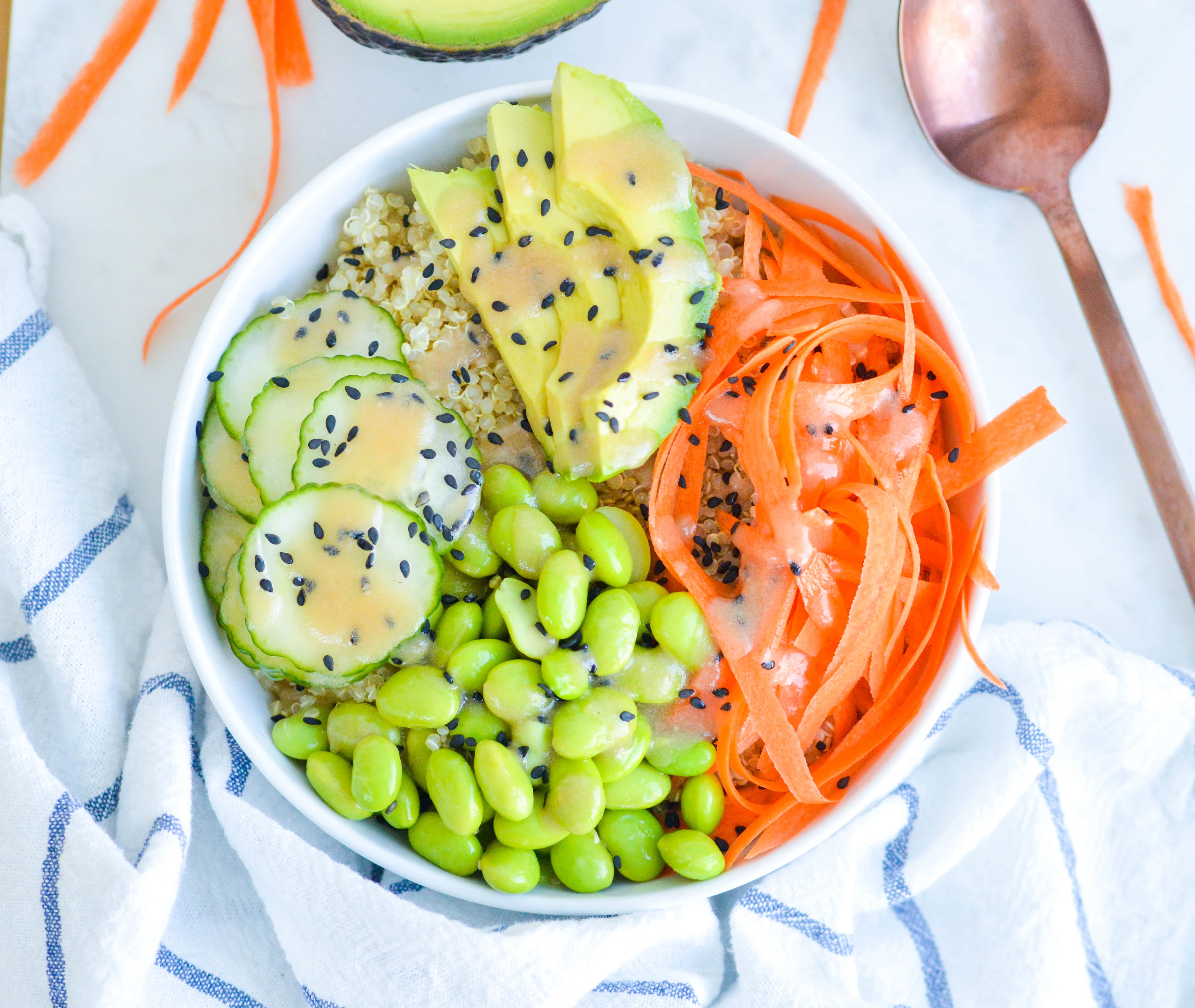
Fueling Your Fitness: The Ultimate Guide to Vegetarian Post Workout Meals
For athletes and fitness enthusiasts embracing a plant-based lifestyle, optimizing recovery after a challenging workout is paramount. While the focus often shifts to protein for muscle repair, a truly effective post-exercise strategy for vegetarians encompasses a broader spectrum of nutrients. This comprehensive guide dives deep into the science and practicality of crafting delicious and effective
vegetarian post workout meals that will help you replenish, rebuild, and rehydrate, ensuring you're primed for your next physical challenge.
The shift towards plant-based diets has gained significant momentum, with more individuals recognizing the health and environmental benefits. However, for those committed to an active lifestyle, the question often arises: "How do I ensure I'm getting everything I need for optimal recovery without meat?" The good news is that plant-powered nutrition offers a vast and vibrant array of options to support your fitness goals. By understanding the key principles, you can transform your post-workout routine into a delicious and highly effective recovery ritual.
The Pillars of Post-Workout Recovery: What Your Body Needs
After pushing your limits, your body enters a critical recovery window. During this time, the right nutrients can make a significant difference in how quickly and effectively you bounce back. For vegetarian athletes, this means strategically incorporating specific macronutrients and fluids.
The three primary goals for any post-workout meal, especially for those following a vegetarian or vegan diet, are:
1.
Replenish Fuel (Carbohydrate) Stores: Your muscles primarily use glycogen for energy during exercise. Intense or prolonged activity depletes these stores. Consuming carbohydrates after a workout helps to quickly refill your glycogen tanks, providing the energy needed for future performance and preventing fatigue. Aim for easily digestible carbohydrates to kickstart this process effectively.
2.
Repair and Rebuild Muscles: Exercise causes microscopic tears in muscle fibers. Protein is the essential building block for repairing these fibers and promoting muscle growth (muscle protein synthesis). Adequate protein intake ensures your muscles recover stronger. For vegetarians, this means focusing on diverse plant-based protein sources to ensure a complete amino acid profile.
3.
Rehydrate Your Body and Replace Fluids and Electrolytes: Sweating during exercise leads to significant fluid and electrolyte loss. Dehydration can impair recovery, reduce performance, and negatively impact overall well-being. Consuming fluids and electrolyte-rich foods is crucial for restoring balance.
Ideally, you should aim to consume your post-workout vegetarian meal within 30-60 minutes after your training session. This "anabolic window" is when your muscles are most receptive to nutrient uptake, though studies suggest this window may be broader than previously thought, typically extending a few hours post-exercise. Still, acting promptly can optimize recovery, especially after intense workouts.
General recommendations for post-workout nutrition often suggest around 0.5 grams of carbohydrates per pound of body weight and 20-30 grams of protein. While these are good starting points, individual needs can vary based on the intensity and duration of the workout, body weight, and specific fitness goals. For a deeper dive into tailored nutrition, you might find valuable insights in our article on
vegetarian post workout meals - Article 2.
Crafting Your Ideal Vegetarian Post Workout Meals: Nutrient Breakdown
Building effective
vegetarian post workout meals involves combining specific components to meet your body's recovery demands. Here's a breakdown of the key players:
Protein Powerhouses for Muscle Repair
Plant-based proteins are diverse and offer a wealth of benefits beyond just muscle repair. Focus on sources rich in essential amino acids to ensure comprehensive recovery.
*
Legumes: Lentils, chickpeas, black beans, kidney beans, and edamame are incredibly versatile and packed with protein and fiber.
*
Tofu & Tempeh: These soy-based products are complete proteins, meaning they contain all nine essential amino acids. Tofu is excellent for absorbing flavors, while tempeh offers a firmer, nuttier texture.
*
Seitan: Made from wheat gluten, seitan is a high-protein, low-fat option that mimics the texture of meat.
*
Nuts & Seeds: Almonds, walnuts, cashews, pumpkin seeds, sunflower seeds, chia seeds, and flax seeds provide protein, healthy fats, and micronutrients.
*
Plant-Based Protein Powders: Pea, rice, hemp, or soy protein powders can be a convenient way to boost protein intake, especially for liquid meals like smoothies.
*
Quinoa: Technically a seed, quinoa is often treated as a grain and is a complete protein, making it an excellent base for meals.
Carbohydrate Commanders for Glycogen Replenishment
Carbohydrates are not the enemy; they are essential fuel! Choose complex carbohydrates for sustained energy and simple carbohydrates for quicker replenishment when needed.
*
Whole Grains: Oats, brown rice, quinoa, whole-wheat bread, and pasta provide complex carbohydrates that slowly release energy.
*
Starchy Vegetables: Sweet potatoes, regular potatoes, corn, and peas are excellent sources of readily available carbohydrates.
*
Fruits: Bananas, berries, apples, and oranges offer simple sugars for quick glycogen replenishment, along with antioxidants and vitamins.
*
Dried Fruits: Dates, raisins, and apricots are concentrated sources of carbohydrates, perfect for a quick energy boost.
Healthy Fats & Micronutrient Marvels
While protein and carbs take center stage post-workout, healthy fats and a spectrum of micronutrients (vitamins, minerals, antioxidants) play crucial supporting roles in reducing inflammation, supporting overall health, and enhancing nutrient absorption.
*
Avocado: Rich in healthy monounsaturated fats, potassium, and vitamins.
*
Nuts & Seeds: (As mentioned above) provide healthy fats, fiber, and various minerals.
*
Leafy Greens: Spinach, kale, and other greens are packed with vitamins, minerals, and antioxidants to combat oxidative stress.
*
Colorful Vegetables: Bell peppers, broccoli, carrots, and tomatoes offer a wide array of phytonutrients.
Delicious and Practical Vegetarian Post Workout Meal Ideas
Now that we understand the components, let's explore some creative ways to combine them into satisfying
vegetarian post workout meals. The key is to balance your macros while enjoying a diverse range of flavors and textures.
*
The Power Bowl: Start with a base of quinoa or brown rice. Add a generous serving of black beans or lentils for protein. Top with roasted sweet potatoes, avocado slices, and a medley of sautéed vegetables like spinach and bell peppers. Finish with a drizzle of tahini dressing or a sprinkle of pumpkin seeds.
*
Tofu Scramble with Whole-Wheat Toast: A quick and protein-rich option. Crumble firm tofu and sauté with nutritional yeast (for a cheesy flavor), turmeric (for color), and your favorite vegetables like mushrooms, onions, and bell peppers. Serve with a slice or two of whole-wheat toast and a side of fruit.
*
Hearty Lentil Soup or Chili: Prepare a big batch of lentil soup or vegetarian chili at the start of the week. It’s packed with protein, fiber, and complex carbohydrates. Enjoy a bowl with a side of whole-grain crackers or bread.
*
Protein-Packed Smoothie: Blend plant-based protein powder (pea, hemp, or rice) with a banana (for carbs and potassium), a handful of spinach (for nutrients), nut butter (for healthy fats and extra protein), chia seeds, and plant milk (almond, soy, or oat). This is excellent for rapid nutrient delivery.
*
Chickpea Salad Sandwich/Wrap: Mash chickpeas with vegan mayonnaise or avocado, celery, and herbs. Serve on whole-grain bread or in a wrap with lettuce and tomato for a quick, portable, and protein-rich meal.
*
Overnight Oats with Berries and Nuts: Combine rolled oats with plant milk, chia seeds, and your chosen protein powder (optional). Let it sit overnight. In the morning, top with fresh berries, nuts, or a dollop of almond butter for a convenient and balanced breakfast or post-workout meal.
*
Edamame and Vegetable Stir-fry with Brown Rice: A classic for a reason! Stir-fry edamame (a complete protein), broccoli, carrots, and bell peppers with a soy-ginger sauce. Serve over brown rice for a well-rounded meal.
For more innovative recipes and culinary inspiration, be sure to check out
vegetarian post workout meals - Article 3, which offers even more specific dish ideas to keep your palate excited and your body nourished.
Beyond the Plate: Hydration and Mindful Recovery
While food is central, don't forget the importance of rehydration. Water is crucial for almost every bodily function, including nutrient transport and temperature regulation. Aim to drink plenty of water throughout the day, and particularly after your workout. Adding a pinch of sea salt to your water or opting for electrolyte-rich drinks (like coconut water or homemade electrolyte solutions) can help replenish lost minerals, especially after very intense or long sessions.
Beyond nutrition and hydration, mindful recovery also involves adequate rest and sleep. Your muscles don't just repair with food; they need time to do so effectively. Listen to your body, give it the rest it deserves, and pair that with thoughtfully prepared
vegetarian post workout meals for optimal results.
Conclusion: Embrace Your Plant-Powered Potential
Embracing a vegetarian lifestyle doesn't mean compromising on your fitness goals. In fact, with a mindful approach to nutrition, plant-based diets offer an incredible array of powerful, nutrient-dense foods that can significantly enhance your post-workout recovery. By focusing on a balanced intake of carbohydrates for fuel, diverse protein sources for muscle repair, and plenty of fluids for rehydration, you can unlock your full athletic potential. Experiment with different ingredients, discover new flavors, and enjoy the journey of fueling your body with the incredible power of plants. Your body will thank you, and your performance will soar.