Fueling Your Fitness: The Ultimate Guide to Vegetarian Post-Workout Meals
For dedicated athletes and fitness enthusiasts who embrace a vegetarian lifestyle, optimizing post-workout nutrition is a crucial step towards achieving peak performance and accelerated recovery. While the principles of replenishing energy stores and repairing muscle tissue remain universal, understanding how to effectively source these vital nutrients from plant-based foods is key. This comprehensive guide delves into the science and strategy behind crafting perfect vegetarian post workout meals, ensuring your body gets exactly what it needs to bounce back stronger and faster. Moving beyond generic advice, we’ll explore tailored strategies for vegetarians, highlighting diverse ingredients and delicious meal ideas that are both satisfying and nutritionally potent. Whether you're a seasoned plant-based athlete or just starting your journey, discovering the power of well-planned vegetarian post workout meals will be a game-changer for your training regimen and overall well-being.The Science of Speedy Recovery: Why Post-Workout Nutrition Matters for Vegetarians
After an intense training session, your body enters a critical window where it's primed to absorb nutrients for repair and replenishment. For vegetarian athletes, understanding this physiological response is paramount. Within approximately 30-60 minutes post-exercise, your muscles are most receptive to rebuilding and restocking. This timing is essential for kickstarting recovery, minimizing muscle soreness, and preparing you for your next activity. The two primary macronutrients required during this window are carbohydrates and protein. Carbohydrates play the vital role of replenishing glycogen stores, which are your body's primary energy reserves depleted during physical exertion. Think of glycogen as the fuel in your car's tank – without it, you can't go far. For vegetarians, excellent carb sources include whole grains, fruits, starchy vegetables, and legumes. Protein, on the other hand, is the building block for muscle repair and growth. Exercise creates microscopic tears in muscle fibers, and protein provides the amino acids necessary to mend these tears, leading to stronger, more resilient muscles. General recommendations suggest aiming for approximately 0.5 grams of carbohydrates per pound of body weight and around 20-30 grams of protein. While these figures provide a good starting point, individual needs can vary based on the intensity and duration of your workout, as well as your personal fitness goals. For vegetarians, strategically combining plant-based protein sources is often necessary to ensure a complete amino acid profile, which is critical for effective muscle synthesis. Incorporating a variety of plant proteins throughout the day, and particularly in your vegetarian post workout meals, can easily meet this requirement.The Three Pillars of Optimal Vegetarian Post-Workout Fueling
To truly optimize recovery and performance, every post-workout meal – especially for those following a plant-based diet – should aim to achieve three fundamental goals. These pillars ensure that your body not only recovers but thrives, ready to tackle future challenges.1. Replenish Fuel (Carbohydrate) Stores
Intense physical activity significantly depletes your muscle glycogen stores. The quicker you can replenish these, the faster you'll recover energy for your next workout. For vegetarian post workout meals, prioritize easily digestible carbohydrates. While complex carbs are generally preferred for sustained energy, post-workout is one instance where a mix of simple and complex carbohydrates can be beneficial. Simple sugars from fruits can provide a rapid glycogen spike, while whole grains and starchy vegetables offer a more gradual and sustained release. Practical Vegetarian Carb Sources:- Fruits: Bananas, berries, mango, pineapple (excellent for smoothies).
- Whole Grains: Quinoa, brown rice, oats, whole-wheat bread/pasta.
- Starchy Vegetables: Sweet potatoes, potatoes, corn.
- Legumes: Lentils, chickpeas, black beans (also offer protein!).
2. Repair and Rebuild Muscles (Protein)
Muscle protein synthesis is critical for repairing the micro-damage caused by exercise and building new muscle tissue. Vegetarians have an abundance of excellent plant-based protein sources, many of which also offer other beneficial nutrients like fiber, vitamins, and minerals. The key is often to consume a variety of sources to ensure you're getting a full spectrum of essential amino acids. Potent Vegetarian Protein Sources:- Soy Products: Tofu, tempeh, edamame, soy milk (complete proteins).
- Legumes: Lentils, chickpeas, black beans, kidney beans (combine with grains for complete protein).
- Nuts and Seeds: Almonds, walnuts, chia seeds, flax seeds, pumpkin seeds, hemp seeds (rich in healthy fats too).
- Grains: Quinoa (a complete protein), oats.
- Plant-Based Protein Powders: Pea, rice, hemp protein (convenient for quick recovery shakes).
3. Rehydrate Your Body and Replace Fluids and Electrolytes
Sweat during exercise leads to significant fluid and electrolyte loss. Dehydration can hinder recovery and performance. While drinking water is paramount, incorporating hydrating foods into your vegetarian post workout meals can also contribute. Electrolytes like sodium, potassium, and magnesium are vital for nerve and muscle function, and many plant-based foods are naturally rich in them. Hydrating Vegetarian Foods & Tips:- Water-Rich Fruits & Vegetables: Watermelon, cucumber, spinach, oranges.
- Coconut Water: A natural source of electrolytes.
- Salt: Don't be afraid to add a pinch of salt to meals, especially after heavy sweating.
- Herbal Teas: Can be soothing and contribute to fluid intake.
Crafting Your Perfect Vegetarian Post-Workout Meal: Practical Strategies
Building an effective post-workout meal as a vegetarian goes beyond just knowing what nutrients you need; it involves strategic planning, smart ingredient combinations, and sometimes, a little creativity.Combining Macronutrients Effectively
The synergy between carbohydrates and protein is crucial. Pairing a quick-digesting carb with a readily available protein source maximizes recovery. For instance, a banana with a scoop of plant-based protein powder in a smoothie offers both fast carbs and protein. A bowl of quinoa and black beans provides complex carbs and complementary proteins. Don't forget healthy fats, while not the primary focus immediately post-workout, they play a crucial role in overall health and satiety and can be included in moderate amounts. Avocado, nuts, and seeds are excellent plant-based sources.Meal Timing and Convenience
Life is busy, and sometimes a sit-down meal isn't feasible immediately after a workout. This is where pre-preparation and convenient options shine. Planning your vegetarian post workout meals ahead of time can make all the difference. Tips for Convenience:- Pre-made Smoothie Packs: Bag up your fruit, greens, and protein powder in advance, just add liquid and blend.
- Batch Cooking Grains & Legumes: Cook a large batch of quinoa or lentils at the beginning of the week for quick meal assembly.
- Portable Snacks: Keep plant-based protein bars, fruit, or a small container of hummus and whole-wheat crackers handy.
Beyond the Basics: Micronutrients and Antioxidants
While carbs and protein take center stage, a well-rounded vegetarian diet naturally provides a wealth of micronutrients and antioxidants that further aid recovery. Vitamins (like Vitamin C from citrus, crucial for collagen synthesis) and minerals (like magnesium from leafy greens, important for muscle function) are plentiful in plant-based foods. Antioxidants, found abundantly in colorful fruits and vegetables, help combat oxidative stress caused by intense exercise, reducing inflammation and supporting overall cellular repair. Incorporating a vibrant array of produce ensures you're not just fueling, but also protecting and nourishing your body at a deeper level. For more foundational insights into nutrient timing and specific ingredient ideas, be sure to read vegetarian post workout meals - Article 1.Diverse and Delicious Vegetarian Post-Workout Meal Ideas
The beauty of plant-based eating lies in its incredible versatility. Here are some inspiring ideas for your vegetarian post workout meals, ensuring a perfect blend of taste, texture, and nutrition.1. Recovery Smoothie Power-Up
Quick, customizable, and easily digestible, a smoothie is often the go-to for immediate post-workout fueling.
- Ingredients: 1 scoop plant-based protein powder (pea, soy, hemp), 1 banana, 1 cup mixed berries, 1 cup spinach, 1 tbsp chia seeds, 1 cup plant milk (almond, soy, oat).
- Benefits: Fast-acting carbs from fruit, high protein, fiber, antioxidants, and hydration.
2. Tofu or Tempeh Scramble with Sweet Potato
A savory, protein-packed option that feels like a hearty meal.
- Ingredients: 4 oz firm tofu or tempeh (crumbled), 1 small sweet potato (baked/roasted), bell peppers, onions, spinach, nutritional yeast, turmeric, black salt.
- Benefits: Complete protein, complex carbs, anti-inflammatory spices, and essential vitamins.
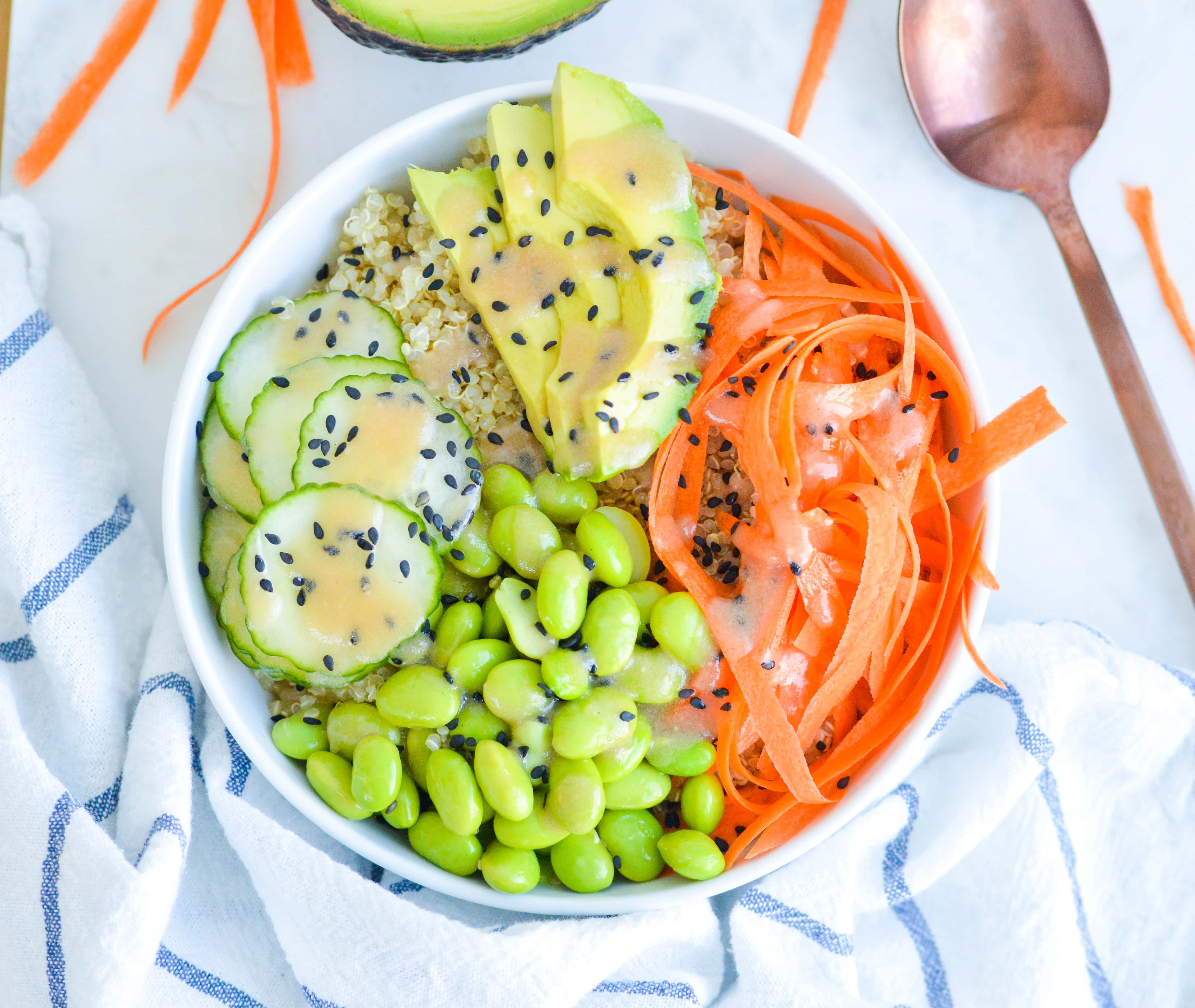
3. Quinoa and Black Bean Bowl
A robust and satisfying meal that's easy to prepare in advance.
- Ingredients: 1 cup cooked quinoa, 1/2 cup black beans, diced avocado, corn, salsa, cilantro, lime juice.
- Benefits: Complete protein from quinoa, complex carbs, healthy fats, fiber, and electrolytes.
4. Lentil Soup or Chili
Warm, comforting, and nutrient-dense, perfect after a colder workout or for meal prep.
- Ingredients: Lentils, carrots, celery, tomatoes, vegetable broth, herbs, and spices. Serve with a side of whole-grain bread.
- Benefits: High in plant protein, complex carbs, fiber, and hydrating.
5. Whole-Wheat Toast with Avocado and Hemp Seeds
A simple yet effective option for lighter workouts or as a substantial snack.
- Ingredients: 2 slices whole-wheat toast, 1/2 mashed avocado, a sprinkle of hemp seeds, a pinch of salt and red pepper flakes.
- Benefits: Complex carbs, healthy fats, omega-3s, and plant protein.
6. Edamame and Veggie Stir-Fry with Brown Rice
A customizable meal rich in protein and fiber.
- Ingredients: 1 cup cooked brown rice, 1 cup shelled edamame, mixed stir-fry vegetables (broccoli, carrots, snow peas), soy sauce or tamari, ginger, garlic.
- Benefits: Complete protein from edamame, complex carbs, and a wide array of vitamins and minerals.
